
the aussie hallyu wave
how korean-aussies in k-pop made me love being asian-australian

For me, the identity of being Asian-Australian is still relatively new to me.
I already had a script prepared for when people I met asked me, ‘Where are you from?’
The expectation for us, Asian-Australians, was never simply ‘Australia’.
I knew that the world’s perception of Australians was simple and a bit bizarre—white blonde surfers, who occasionally boxed kangaroos. Of course, this stereotype is far from the truth. But what is true, is that the world’s perception was white. Which I am not.
Being Asian-Australian was part of my identity, but it wasn't something that I acknowledged or had conversations about growing up. One of the key things that caused a shift in my self-perception was, as weird as it may sound—K-pop.
I remember my sister trying to get me into K-pop for the billionth time. I didn’t show any interest. At the time I was happy with the Western artists I was listening to, and I didn’t want to be introduced to anything else.
‘Look at this cute guy, he’s Australian.’
Hold on. What?
This captivated my interest. I’d never seen an Asian-Australian guy in a boyband before—let alone two. One music video led to another and it wasn’t too long until I ‘fell in love’ with Felix from Stray Kids, and subsequently fell into the wonderful rabbit hole that is the Hallyu Wave.
I thought it was so cool that I could relate to an idol on that level of being both Asian and Australian. I was 17 years old, and I discovered a whole new view of what it can mean to be Australian. It was the representation I never knew I needed.
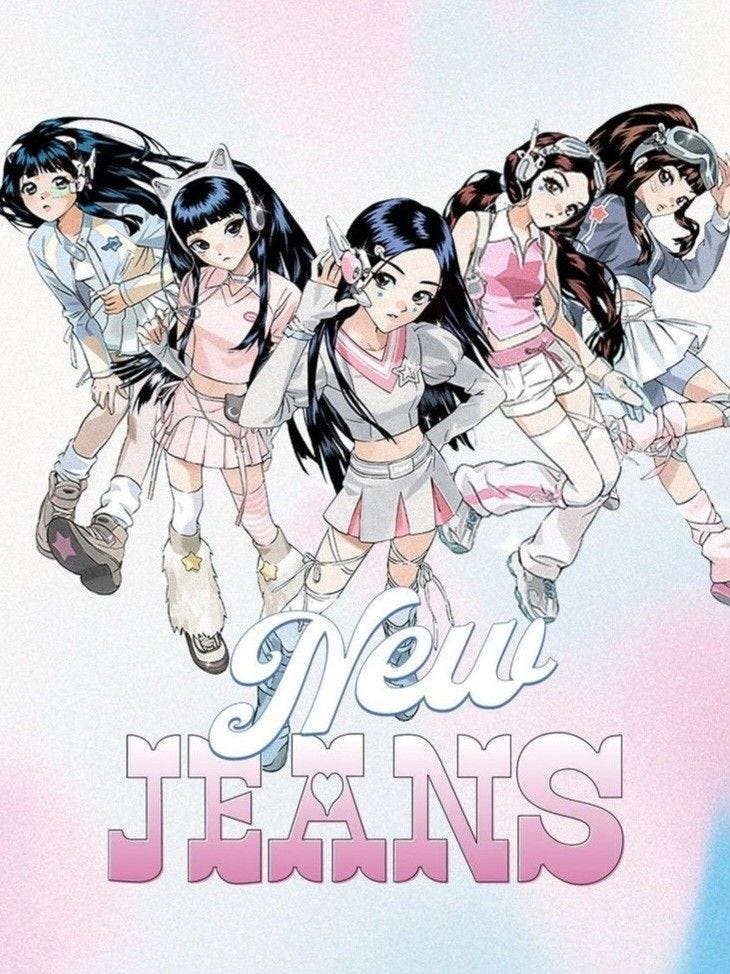
There are so many Asian-Australians in old and new generations of K-pop who have represented our nation on a global scale. There are a few current idols that are wildly popular; including Felix and Chan from Stray Kids, Rosé from BLACKPINK, Jake from ENHYPEN, Lily from NMIXX and Hanni and Danielle from NewJeans. They are referred to as the ‘Aussie Line’ of K-pop.
Australia is often a forgotten country in the music industry, and these idols’ popularity has put our nation on the map. Their identity makes global fans interested in our country (who would have thought?). The fact that Asian-Australians are piquing the world’s interest with our unique accents and easy-going nature makes me proud to be Asian-Australian.
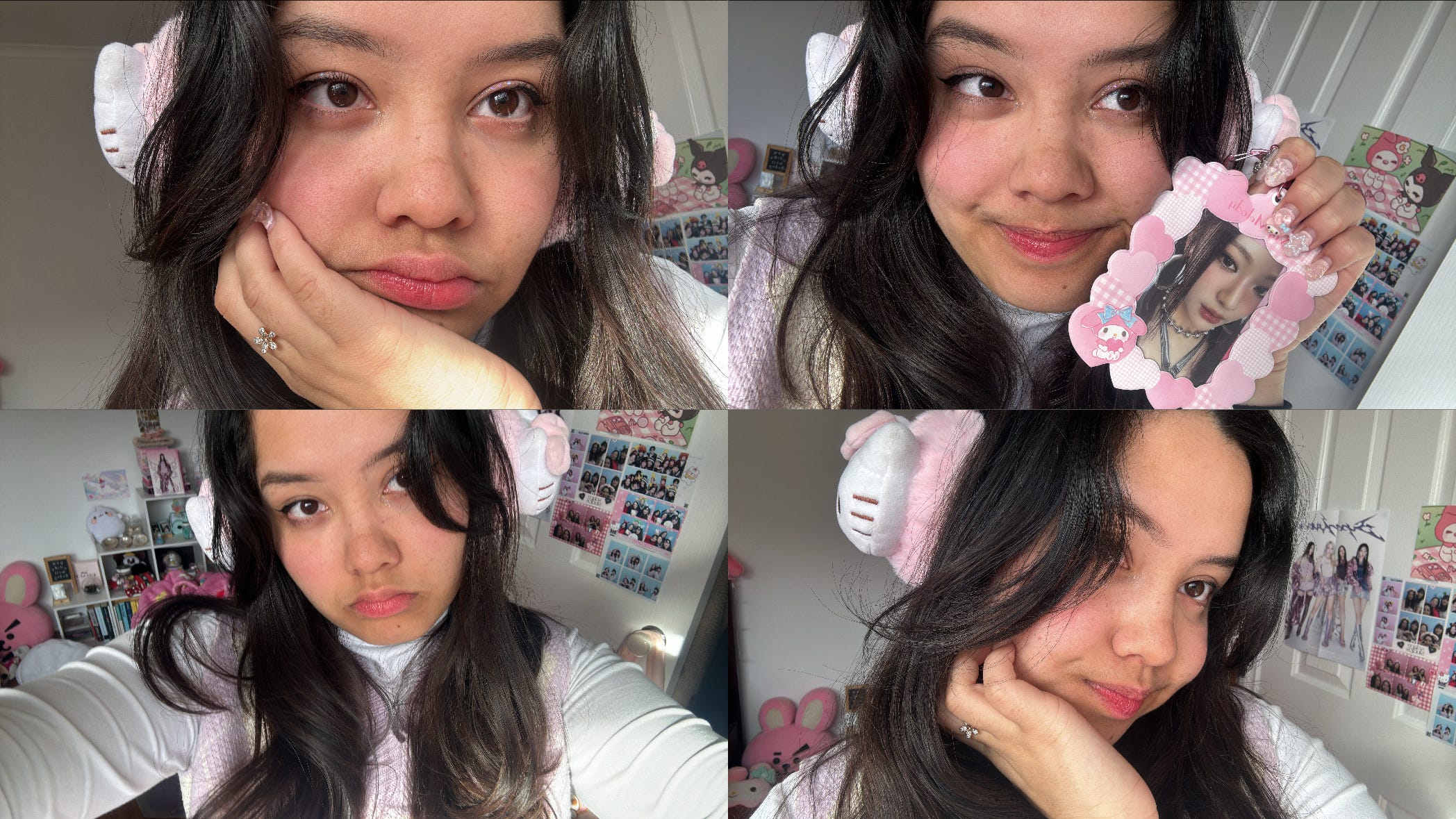
I love to see that so many of the younger generation of Aussies love K-pop. It especially warms my heart to see Asian-Australians looking amazing in K-fashion outfits and Sanrio attire, inspired by K-pop idols. Contrasting to when I was young, I never experienced a sense of community about being Asian-Australian.
I was made fun of by white kids in primary school for simply owning Hello Kitty merchandise and I didn’t even acknowledge that I was Asian, let alone love my identity like I do now. I remember the few people that did like K-pop in primary school were made fun of for liking music that wasn’t in English. There was so much internalised racism that I even joined them poking fun, and consequently didn’t listen to the genre for years. I’m thankful that seeing people like me in a white-dominated industry, growing up in the West, opened me up to a world of great music, culture, and fun.
A story that KOZZIECOM, a Korean-Australian media startup, did with Kristina Bilandzic really resonated with me; as she also began to embrace her Asian identity after becoming a K-pop fan.
‘Being comfortable with being mixed, rather than ‘Am I Korean or am I Australian?’, finding the tie in between was the hard part.’
The journey of accepting being both Asian and Australian was difficult for me too, but K-pop was one of the first steps that also helped me love who I am and accept that I don’t have to choose one; I can be both in harmony.
It makes me excited that K-pop has grown so popular in Australia over the past few years. One of the main locations that was chosen for the K-pop music festival Hallyu Pop Fest in 2022 was none other than our capital city, Sydney. This isn’t the first time we’ve seen a K-pop festival in Australia, namely the K-pop Music Fest in 2011 which was held in Sydney to celebrate the 50th anniversary of the diplomatic relationship between Korea and Australia.
When I was in the line at Hallyu Pop Fest, I made friends with Asian-Australians from all walks of life and had an incredible time watching the idols’ performances. Even after over a decade, K-pop continues to be popular in our nation, and K-pop artists feel welcome to our shores.
The fact that Australians, no matter their background, can come together and enjoy K-pop together, despite the language barrier, is what music is all about: bringing people together.